TENK has published a new recommendation Ethical principles for research involving nature and the environment and a proposal for organising ethical review in Finland (the NERE recommendation).
The NERE recommendation (in Finnish, LYTE) supports researchers in identifying and considering ethical questions related to nature and the environment. The recommendation applies to all research activities that involve nature or the environment and may have direct or indirect impacts on them. The first part of the NERE recommendation outlines the core ethical principles for research, and the second part outlines a proposal for research organisations on how to organise ethical review. Ethical principles help minimise harm and protect nature, the environment and local communities from adverse research effects. The aim of the recommendation is also to enable researchers to conduct research ethically also in the future.
The publication event of the NERE recommendation took place on June 11 2026 in Inari at the international symposium Inari Symposium on Research Ethics in Nature, Environment and Indigenous Research (InRENEI2026). The Finnish and English versions of the NERE recommendation were also published in TENK's publication series. Links:
The Swedish version will be published later this year.
The NERE recommendation was drafted as part of the project Ethical guidelines and ethical review for research on nature and the environment (LYTE), funded by the Finnish Ministry of Education and Culture. The work was carried out by the LYTE working group in collaboration with TENK's secretariat. The Chair of the working group was Director Sirpa Thessler from the Natural Resources Institute Finland (Luke) (Vice Chair of TENK until 31 January 2025). The Chair of the project’s steering group was Professor Emerita Riitta Keiski from the University of Oulu (Chair of TENK until 31 January 2025).
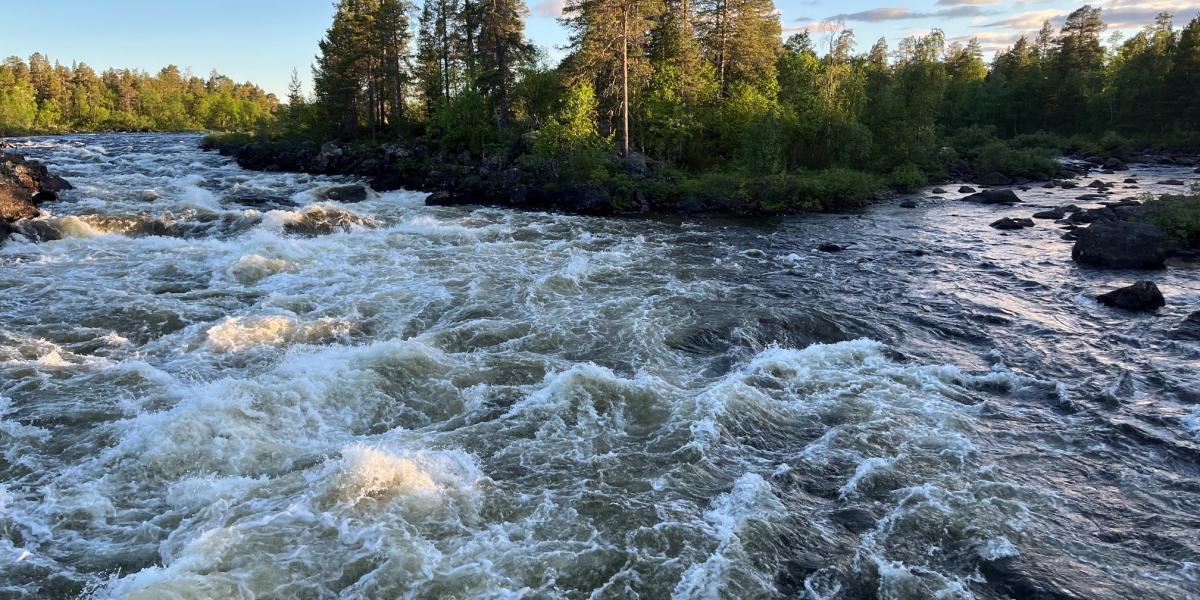
In the photo: Jäniskoski, Inari. Photo by TENK.
You might also be interested in